
Building a Creative Career That Lasts: A Practical Guide to Growing Your Business
Virginia Cooper, from Learn a Living is sharing another great article with you on how to use your crochet business or your creative business with a practical guide on how to grow your business.
Freelance designers, photographers, writers, illustrators, and makers often see real creative business opportunities, yet struggle to turn consistent demand into a steady living. The core tension is simple: artistic skills entrepreneurship rewards originality, but a creative talent business can still wobble when pricing feels uncomfortable, projects arrive unevenly, and business decisions pull focus from the work itself. Building a sustainable creative business means treating creativity as both craft and livelihood, without losing the spark that started it. With the right expectations and a clearer business lens, creative professionals can grow income that lasts.
This post contains affiliate links
Sign up for my Newsletter and receive updates about more great articles from Virginia Cooper of Learn a Living and receive News about my collaborations, new crochet pattern releases and more!
Understanding Creative Entrepreneurship Mindset
At the center of a sustainable creative career is a mindset shift: you are making art and running an enterprise. A creative entrepreneur treats their work like a product with delivery, pricing, and repeatable systems, not just inspiration.
This matters because consistency comes from decisions you can control, even when the market feels unpredictable. When you start aligning ideas with business goals, you choose projects that fit your capacity, protect your time, and pay in a way that supports your life.
Think of it like cooking professionally: talent makes a great dish, but a menu, prep schedule, and food costs keep the kitchen profitable. Your creative output stays distinctive, while planning makes delivery smoother and income less volatile. That balance makes a freelance-to-studio shift feel structured, credible, and ready to grow.
Turn Freelance Design Into a Studio With the Right Setup
Once you’ve adopted a creative-entrepreneur mindset, the next shift is turning “I design” into a studio that can grow beyond one-off gigs. Starting a graphic design studio can be a practical way to make your creative skills sustainable, but strong design alone rarely carries the business. You’ll need to get specific about what you sell, clear service offerings, a defined target market, a portfolio that proves you can solve that market’s problems, and a pricing strategy you can explain with confidence. As your work becomes more visible, the way you’re set up matters too; choosing a structure and completing the formal setup can make the studio feel more organized and credible, and resources like graphic design studio LLC formation can help you understand what that process looks like.
From there, growth depends on attracting and keeping clients: marketing that consistently puts your work in front of the right people, professional communication that sets expectations, and reliable delivery of high-quality design that makes clients want to return (and refer others). The long game is balancing creative expertise with business planning and day-to-day client management, so you’re not just producing great work, but building a studio that can support you over time.
Build a Sustainable Creative Business in 5 Steps
This roadmap helps you turn your creative skills into consistent income by getting clear on who you serve, what you sell, and how clients find you. It matters because most “slow months” are really clarity and systems problems, not talent problems.
- Step 1: Define who you help and what they need
Start by writing a one-sentence description of your ideal client and the problem you solve for them. Use basic filters like industry, budget range, and the moment they realize they need help, since defining your target audience guides what you create, show, and say. Aim for “specific enough to recognize,” not “everyone who likes design.” - Step 2: Package your services into clear offers
Choose 1 to 3 core offers and name them like products, with a clear outcome, timeline, and what is included. Add simple boundaries such as number of concepts, revision rounds, and deliverables so clients can self-select without long back-and-forth. This turns “custom work” into something easier to buy, repeat, and improve. - Step 3: Set pricing that protects your time and quality
Pick a starting pricing method you can explain, such as project fees tied to scope, or a monthly retainer tied to capacity. Create a one-page rate sheet that lists each offer, typical ranges, and add-ons, then practice saying it out loud until it sounds normal. If you feel stuck, raise clarity before raising prices: tighter scope often fixes undercharging. - Step 4: Choose one client-attraction channel and run it weekly
Select a single channel you can sustain, like referrals, email, a portfolio platform, or short educational posts, then commit to one repeatable action each week. When you want higher-fit clients, try account-based marketing by listing 20 dream clients and tailoring a small outreach sequence to their needs. Consistency beats volume because it compounds trust. - Step 5: Build lightweight operations so creativity stays enjoyable
Create three templates: a proposal, a kickoff checklist, and an end-of-project wrap-up email asking for feedback and referrals. Block two weekly “studio hours” for admin, follow-ups, and bookkeeping so it does not invade your creative time. Track your energy too: protect one recurring slot for learning or play, because your taste and curiosity are part of the product.
Turn Your Crochet Skills Into a Profitable Business
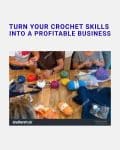
Starting a crochet business can be a rewarding way to turn your creativity into a sustainable source of income. Begin by identifying a niche, such as handmade clothing, baby blankets, home décor, or personalized gifts, and develop a collection that showcases your unique style.
Selling your creations through online marketplaces like Etsy, social media, or local craft fairs can help you reach customers and build a loyal following. Be sure to price your products carefully, accounting for materials, labor, and overhead costs to ensure profitability. As your business grows, consider offering custom orders, crochet patterns, or beginner-friendly workshops to diversify your income and build a lasting creative career.
Creative Business Questions, Answered

Q: How do I price my work without feeling guilty or losing clients?
A: Start with a clear project fee or retainer tied to defined deliverables, not your anxiety about what people will say. Offer one “good” option and one higher-support option so clients can self-select. Your next step: write a one-paragraph pricing script and practice saying it until it sounds neutral.
Q: What should I do when leads are inconsistent month to month?
A: Treat marketing like a weekly habit, not a rescue mission. Pick one channel you can repeat and track only two numbers: outreach sent and conversations booked. Your next step: schedule a 30-minute block twice a week for outreach and follow-ups.
Q: How can I stop scope creep without sounding difficult?
A: Use the shared definition that scope creep expands a project’s objectives without matching time or budget, then point back to what was agreed. Add a simple change process: “That’s possible, here’s the added fee and timeline.” Your next step: add one sentence to every proposal that revisions beyond X are billed.
Q: Can I avoid burnout if I’m freelancing or running a small studio?
A: Yes, but it requires boundaries you treat as part of the job. Cap active projects, build buffer days, and stop doing admin work at night. Your next step: set one non-negotiable weekly rest block and protect it like a client meeting.
Q: How do I build confidence when clients seem risk-averse?
A: Expect caution and plan for it, because 29% of brands admit to being highly risk-averse. Present two directions: a safe baseline and a bolder option with clear rationale. Your next step: collect three mini case studies that show outcomes, not just aesthetics.
Turn Creative Work Into Sustainable Income With One Next Step
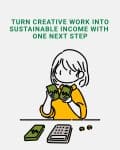
It’s easy to feel stuck between making great work and running a business that actually supports you. The path forward is integrating creativity and strategy with calm, repeatable decisions that protect your time, energy, and value. When that becomes your default, long-term creative business success looks less like luck and more like sustained creative growth you can plan for. Consistency comes from clear choices, not constant hustle.
Choose one small step today, refine your core offer or outline a simple outreach plan that fits your week, and treat it as the first line of a realistic creative entrepreneur action plan. That steady follow-through is what builds resilience, stability, and the freedom to keep creating.
My Free Crochet Patterns
You will find some creative crochet patterns of mine FREE on my website to help you grow your crochet business.
More Helpful Tips from Virginia Cooper
I hope you this helpful article by Virginia Cooper of Learn a Living. You can find more of her helpful articles on how keep crocheting and creating on my website.
************************************************
Jo’s Crafty Hook’s Premium Crochet Pattern Stores


****************************************************************
Find me, Jo of Jo’s Crafty Hook at the places listed below.
Email: joeybaird@aol.com
Facebook Group Jo’s Crafty Hookers
Facebook Group Jo’s Crafty Hook Designs
Facebook Page Jo’s Crafty Hook
Facebook Page: Crochet Designer Community


