Creative Ways Crochet Hobbyists Can Reduce Stress and Build Calm Habits

Creative Ways Crochet Hobbyists Can Reduce Stress and Build Calm Habits

Virginia Cooper of Learn a Living has brought you another great article with helpful tips that feature Creative Ways Crochet Hobbyists Can Reduce Stress and Build Calm Habits.

Busy adults who crochet after work, between caregiving, or during unpredictable seasons of life often want stress management for adults that doesn’t feel like another task. The tension is real: crochet can be soothing, yet common stress challenges, tight schedules, mental clutter, sore attention spans, and the pressure to “be productive” with every stitch, can drain the calm right out of the hobby. Creative stress relief works best when it meets makers where they are, especially for crochet hobbyists who are still building confidence. This section sets up beginner creative activities that make calm feel more reachable.

This page contains affiliate links

Understanding Why Crafting Calms Your Mind

When life feels noisy, creativity helps because it gives your brain a safe place to land. Many makers notice that crafting is a powerful tool because it supports mindfulness and helps lower stress, not just distract you. It also gives feelings a shape, so frustration, worry, or sadness can move through your hands instead of getting stuck in your head.

This matters for crochet hobbyists because calm habits come from small, repeatable moments, not perfect projects. When your stitches help you regulate emotion, you can make clearer pattern choices, recover faster from mistakes, and show up more consistently when you are
building items to sell.

Picture starting a simple dishcloth after a long day. After a few rows, you may enter a state of flow where your attention steadies and time feels quieter. The yarn becomes a gentle metronome that guides your breathing and mood.

Try 7 Beginner Creative Outlets (Including Relaxing Crochet)
When stress is high, your brain often craves something simple, sensory, and absorbing enough to pull you into “flow.” Use this pick-and-choose menu to find a low-pressure creative hobby for stress you can start today, no big setup, no perfection required.

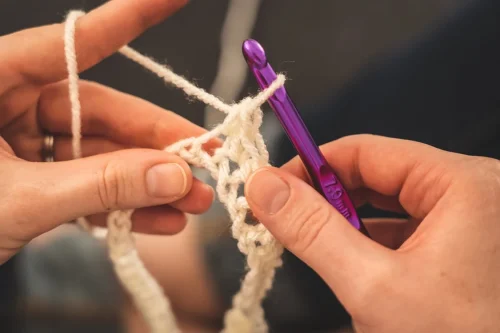
1. Crochet a “calm square” (basic stitches only): Make one small square using single crochet or half-double crochet, about 10–15 minutes of steady stitching. Crochet can be soothing because repetitive movements give your hands something predictable to do while your attention rests on the yarn and hook. Aim for “even enough,” not perfect edges; the point is rhythm. Save your squares in a bag for a future blanket, pillow, or
market tote.

2. Try a simple beginner crocheting pattern with instant payoff: Pick a tiny project you can finish quickly: a chunky headband, mug cozy, simple scrunchie, or a basic dishcloth.  Choose one stitch pattern and repeat it until the item is done, repetition helps you settle in, and finishing builds a small sense of control when life feels messy. If decision fatigue is part of your stress, commit to one yarn and one hook size for a week.

3. Do a 5-minute “scribble and shade” art therapy activity: On scrap paper, draw one continuous scribble, then fill each little section with a different shade, pattern, or color.  This works like a creative reset: it’s structured enough to focus your mind, but open- ended enough to let emotions move through without needing words. Keep it playful, dots, stripes, tiny hearts, anything.

4. Make a mini collage for your mood (no art skills needed): Tear images/words from junk mail, magazines, or printed pages and glue them into a “today I need…” collage: calm, energy, comfort, bravery. The tearing and arranging gives your hands a job while your brain organizes feelings in a gentle way. Bonus: make two versions, “how I feel” and “how I want to feel.”

5. Build a “worry-to-yarn” swatch: label, then stitch: Write one short worry at the top of a paper, then crochet a small swatch while you breathe slowly and keep your shoulders down. Each time your mind returns to the worry, name it and return to counting stitches, this is a practical way to practice attention without spiraling. When you’re done, jot one helpful next step under the swatch, even if it’s tiny.

6. Try an easy DIY craft that keeps your hands busy: Make something functional in 10–20 minutes: decorate a plain jar as a notions cup, fold paper into simple gift tags, or tie a no-sew braided bracelet with scrap yarn. Fast, practical projects reduce pressure because they’re hard to “ruin” and easy to redo. Keep a small “calm craft kit” in a pouch so you don’t have to hunt supplies.

7. Experiment with “one-row-a-day” texture practice: Choose two beginner stitches (like half-double crochet and double crochet) and alternate rows to create a textured rectangle. This is slightly more advanced than a single-stitch square, but still simple, and it invites flow because your brain toggles between two predictable patterns. Over time, that rectangle becomes a scarf, bag panel, or table runner.

Calm-First Crochet Habits That Stick
Habits matter because stress relief works best when it is consistent, not occasional. These beginner-friendly practices help you build steady crafting momentum, keep projects simple, and make space for selling prep without burning out.

Cue-and-Stitch Reset
● What it is: Start stitching right after one daily cue like coffee or school drop-off.
● How often: Daily
● Why it helps: The same cue reduces decision fatigue and lowers your start-up resistance.

Ten-Minute Timer Session
● What it is: Set a timer and crochet any easy repeat for exactly ten minutes.
● How often: Daily or 3x weekly
● Why it helps: A clear end time makes rest feel safe and doable.

Mindful Counting Rows
● What it is: Count stitches with slow breathing and track row numbers in a tiny notebook.
● How often: Per session
● Why it helps: Increase in awareness supports calmer attention when your mind wants to race.

Weekly “Finish or Frog” Review
● What it is: Once a week, decide to finish, pause, or unravel one project guilt-free.
● How often: Weekly
● Why it helps: It protects your time and keeps your craft space emotionally light.

Market-Prep Micro Batch
● What it is: Batch one small sellable item type in one colorway and label it immediately.
● How often: Weekly
● Why it helps: Small batches build confidence and reduce last-minute selling stress.

Calm Crafting Q&A: Common Sticking Points

Q: What are some beginner-friendly creative pursuits, like crocheting, that can help reduce stress?
A: Start with low-pressure crafts that repeat simple motions: crocheting a dishcloth, a granny square, or a chunky scarf, plus coloring, simple embroidery, or air-dry clay. Pick patterns labeled “easy” with basic stitches and minimal shaping so your brain can settle. If supplies overwhelm you, choose one hook size and one smooth yarn to practice on.

Q: How can I maintain motivation and avoid feeling stuck when pursuing creative outlets for stress relief?
A: Make “progress” tiny: one round, one row, or five minutes counts. Keep a parking spot for stalled projects by adding a stitch marker and writing one note about what to do next. When doubt spikes, switch to a quick win item you can finish in one sitting.

Q: In what ways does engaging in crafts like crocheting contribute to simplifying a busy or overwhelming life?
A: Crocheting can replace doom-scrolling with a tactile routine you can do during short breaks.
Limiting yourself to one active project and one sellable repeat item reduces clutter and decision fatigue. A small “kit bag” with hook, yarn, and notes makes starting easier anywhere.

Q: How can seasonal crafting projects influence stress management throughout the year?
A: Seasons give you built-in themes, which reduces planning stress and sparks momentum. In busy months, choose fast makes like coasters or gift tags; in quieter seasons, try larger blankets or market collections. Rotating colors with the calendar also keeps your practice feeling fresh without buying lots of new tools.

Q: What if I want to develop a structured approach to balance creative hobbies with workplace challenges and stress?
A: Create a simple loop: a 10-minute stitch break after work, a weekly plan for one pattern step, and a brief reflection on what triggers tension. Work stress is common, and stress at the top can be a sign to adjust boundaries, not just your hobby time. If you want a longer-term path, this is a good option.

Build Calm Through One Small Crochet Habit This Week
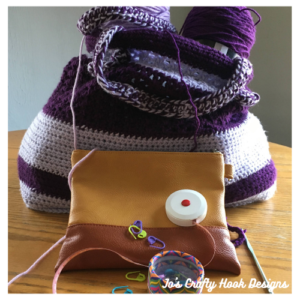
When stress stacks up, it’s easy to feel pulled between getting things done and taking care of your mind. A gentle creative approach, treating crochet as a steady, low-pressure practice, keeps stress management success within reach, even when time, confidence, or workplace tension are part of the mix.

Over time, motivating creative engagement brings the benefits of
creative stress relief: a slower breath, a clearer head, and more positive mental health outcomes you can actually notice. Small stitches, steady breath, calmer days. Choose one project this week and spend ten minutes with it, then simply notice what shifts. Those ongoing creative practices matter because they build resilience you can return to on hard days.

I hope you enjoyed another great article from Virginia Cooper of Learn a Living.  You will find FREE crochet patterns on my website that would be perfect to help you reduce stress and build calm habits.

*******************************************************

Premium Crochet Pattern Stores

 

********************************************************

Find me, Jo of Jo’s Crafty Hook at the places listed below.

Email:  joeybaird@aol.com

Linktree

Website

Facebook Group Jo’s Crafty Hookers

Facebook Group Jo’s Crafty Hook Designs

Facebook Page Jo’s Crafty Hook

Facebook Page:  Crochet Designer Community

Ravelry

LoveCrafts

Etsy

Instagram


Loading

Creative After School Ideas That Spark Kids’ Confidence and Curiosity

Creative After School Ideas That Spark Kids’ Confidence and Curiosity

In today’s post you will find another great article with helpful tips from Abby Holt of Craftability, “Creative After School Ideas That Spark Kids’ Confidence and Curiosity.”

For busy parents seeking after-school activities, the hardest part often isn’t enthusiasm, it’s options that feel realistic and meaningful. The usual lineup can get crowded, pricey, or stale, and children’s extracurricular challenges show up fast when a kid loses interest or shrinks away from pressure.

Many families want creative children’s programs and alternative after-school options that fit real schedules while still feeling like a smart choice. With the right parenting support for activity choices, unique kids activities can turn those weekday hours into genuine confidence and curiosity.

This page contains affiliate links

Why Creative Activities Build Real Confidence

Creative after-school activities give kids a low-pressure place to try, tweak, and try again. That practice strengthens thinking skills, communication, and emotional steadiness, especially when projects involve art, making, or performance. More variety also helps kids discover interests beyond the usual sports-or-nothing track.

This matters if you crochet for fun or sell handmade goods, because you have seen how confidence grows through small wins. Kids need that same rhythm, and it is timely when a survey of girls found fewer reported feeling confident than six years ago. Creative options can balance screen-heavy days with real-world mastery.

Think of it like teaching a beginner crochet pattern. Each row builds focus, patience, and pride, and sharing the finished piece builds social confidence. A child painting, coding a tiny game, or crafting a bracelet learns the same layered skills.

12 Outside-the-Box After School Ideas to Try This Month

After-school time doesn’t have to be a repeat of the usual routine. These ideas are meant to build real confidence the way creative practice does, small wins, steady skill-building, and lots of room for curiosity.

  1. Start a “Craft Sampler” Week (crochet included): Pick 3 mini-skills to try in one week, 20 minutes a day is plenty. Example:Day 1 learn a slip knot and chainDay 2 practice single crochet on a tiny square. Day 3 add a simple border, then switch to another craft like paper quilling or friendship bracelets.  The point is fast progress and visible results, which helps kids feel capable quickly.
  2. Try arts education after school with a “museum-to-maker” prompt: Choose one artwork (online is fine) and copy one element, color palette, pattern, or texture, into a kid-made project. A crocheting family might turn a painting’s colors into a striped coaster, then talk about why those colors feel “warm” or “stormy.” This builds observation skills and gives kids language for their choices, not just the finished product.
  3. Make musical instrument lessons bite-sized: If weekly lessons aren’t realistic, start with a 10-minute daily practice plan and one goal per week: “play a clean C scale,” “learn two chords,” or “keep steady rhythm for 30 seconds.” Pair it with a tiny performance, playing for a sibling after dinner, so practice connects to confidence, not pressure.
  4.  Use language learning for children in real-life “missions”: Choose one theme for the month, food, animals, or greetings, and turn it into short missions: label 10 household items with sticky notes, learn 5 snack words, or record a 30-second introduction. Kids stay motivated when the language has a job to do, like ordering at a restaurant or greeting a neighbor.
  5. Run weekly STEM experiments for youth using household materials: Set a
    predictable “Science Snack” time once a week for 30–45 minutes. Rotate simple challenges, paper bridge strength test, homemade water filter, balloon-powered car, then have your child write one sentence: “I changed ___ and noticed ___.” That reflection step is where the real learning sticks.
  6. Launch a kid-run small business idea with tiny stakes: Keep it simple: one product, one price, one hour of work at a time. For craft-minded kids, that might be crochet keychains, bead bracelets, or “mystery scrap yarn” pom-poms sold to friends and family with pre-orders only. This teaches planning, quality control, and follow-through, exactly the skills that grow confidence.
  7. Try “micro-volunteering” that uses creative skills: Look for small, flexible ways to help, making cheerful cards for a local senior center, prepping a donation box with handmade bookmarks, or assembling simple care kits. If you do join a program, aim for an informal learning atmosphere where kids can explore and create, not just complete worksheets.
  8. Start a kid-friendly blog or mini-zine (paper counts!): A “blog” can be one sheet of paper a week: one photo or drawing, three sentences, and a “tip of the week.”

    Crochet kids can document what they made, what went wrong, and what they’ll try next. Sharing their process helps them see improvement over time, which is a powerful confidence booster.

  9. Build a flexible routine you can actually sustain: Choose 2–3 after-school anchors, snack, movement, and one creative block, then adjust as life changes. An editable after-school checklist makes it easier to keep the basics steady while you swap in new activities without chaos.  Pick one idea that feels easy, try it for two weeks, and keep what clicks. When kids get permission to experiment without a huge commitment, it’s much easier to find the activities that truly light them up.
Quick Answers for Busy After-School Creators

Q: What are some creative after-school activities that can help my child explore new interests beyond traditional sports or video games?
A: Try “maker” choices with fast payoff: crochet a mini charm, design sticker sheets, build a cardboard arcade, or do a one-pan science challenge. Keep supplies simple by starting with what you already have, then add one low-cost item per week. If your child resists, frame it as gentle stretching, since growth out of their comfort zone can start with tiny risks.

Q: How can I encourage my child to stick with a creative hobby without feeling overwhelmed or losing motivation?
A: Shrink the goal to a 10 to 20 minute “finish line” and end on a win, even if it’s just one neat row. Use a progress jar: each session earns a bead, and five beads earns a choice day. Praise effort and problem-solving, not perfection, so curiosity stays alive.

Q: What are some fun projects or activities that combine learning with hands-on creativity for kids after school?
A: Mix skill and play: crochet a coaster while practicing pattern counting, make recipe cards to build writing skills, or create a “weather wheel” and track changes all week. Pick one question to investigate, then build something that answers it. A quick photo journal helps kids notice
improvement.

Q: How can parents find or create a structured routine for after-school activities that keeps kids engaged without adding stress?
A: Choose two anchors that rarely change, like snack and movement, then add one flexible creative block. Set a timer and a clear stop time so it never eats the whole evening. If outside programs feel pricey, remember quality child care at a reasonable cost is a real constraint for many families, so at-home routines count.

Q: If I want to help my child monetize their crafting hobby through an online small business, where should I start?
A: Start with one offering only, such as crochet keychains or custom colorways, and set boundaries for how many orders per week. Use a simple business plan to outline what the business will do, basic costs, and one fair price. Make it feel official with a quick printable thank- you or product info card they can include in each order, plus a business card template to print
quickly.

After-School Creativity Quick-Start Checklist

This checklist keeps your after-school plan simple, kid-friendly, and actually doable on busy days. If you also crochet or sell crafts, it doubles as a mini system for choosing quick projects, testing patterns, and spotting what could become an easy bestseller.

✔ Pick one project with a 20-minute finish
✔ Set two daily anchors plus one creative block
✔ Prep a small bin with today’s exact supplies
✔ Offer two choices and let your child decide
✔ Track progress with one photo and one sentence
✔ Celebrate effort with a tiny reward or display spot
✔ Test one sellable item and note time, cost, and price

Check these off, and you have momentum you can repeat tomorrow.

Build Confidence by Trying One New After-School Creative Hobby

It’s easy to feel stuck between overscheduling kids and leaving them bored, especially when every option seems to demand instant commitment. A low-pressure, checklist-style approach, small trials, steady parent encouragement strategies, and simple family involvement in extracurriculars, keeps things curious instead of stressful while motivating children to try new activities.

Over time, building confidence through creativity shows up as more willingness to practice, share, and bounce back when something feels hard, and the positive outcomes of diverse hobbies can surprise everyone. One small experiment is enough to start a bigger, braver season.

Pick one activity to try this week and treat it like a playful test, not a lifelong decision. Those gentle starts are what create the long-term benefits of after-school engagement: resilience, connection, and a kid who trusts their own curiosity.

I hope you enjoyed another great article from Abby Holt of Craftibilty.  You will find FREE crochet patterns on my website that would be perfect to use along with this article.

*******************************************************

Premium Crochet Pattern Stores

 

********************************************************

Find me, Jo of Jo’s Crafty Hook at the places listed below.

Email:  joeybaird@aol.com

Linktree

Website

Facebook Group Jo’s Crafty Hookers

Facebook Group Jo’s Crafty Hook Designs

Facebook Page Jo’s Crafty Hook

Facebook Page:  Crochet Designer Community

Ravelry

LoveCrafts

Etsy

Instagram


Loading

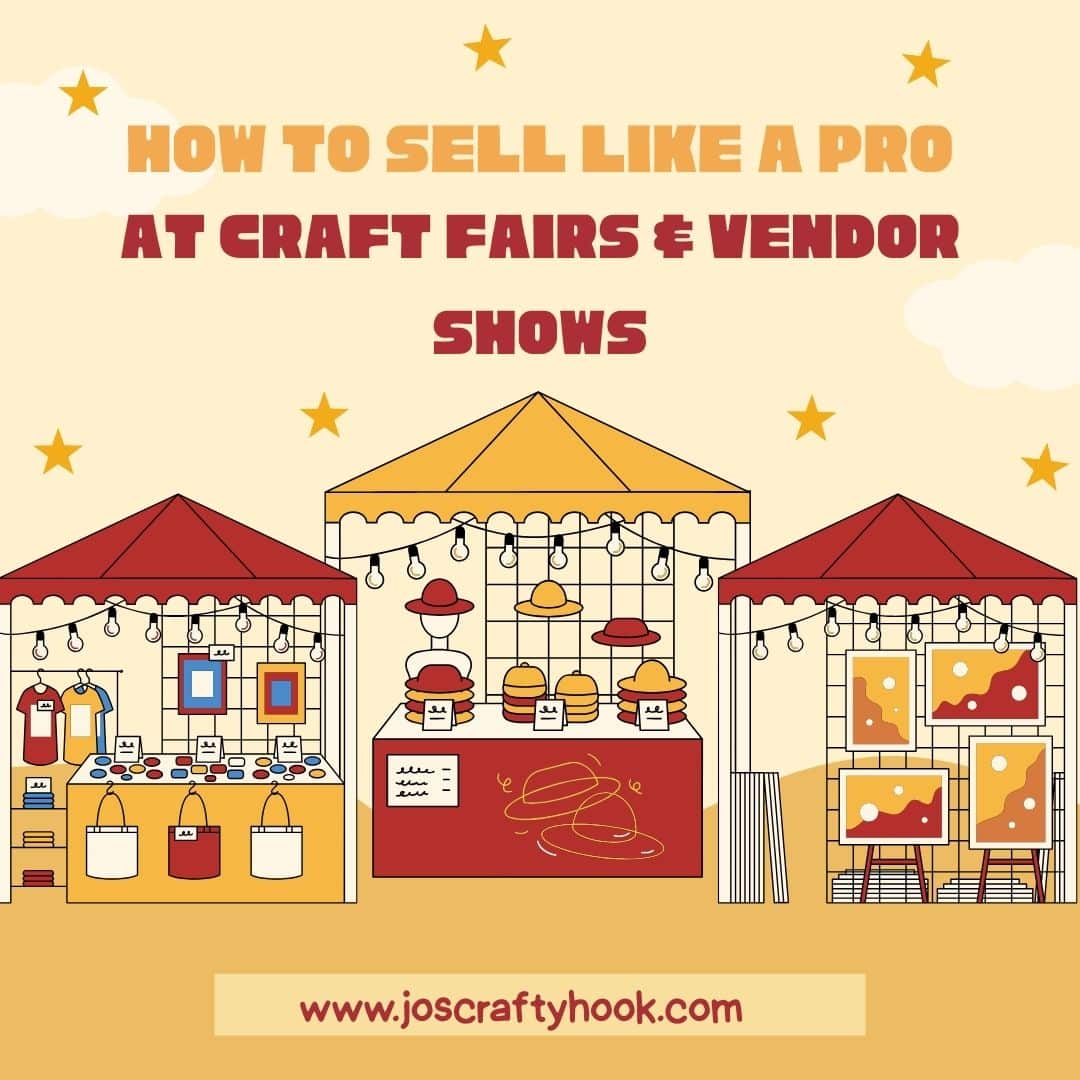
How to Sell Like a Pro at Craft Fairs and Vendor Shows

How to Sell Like a Pro at Craft Fairs and Vendor Shows

In today’s post you will find another great article with helpful tips from Abby Holt of Craftability, “How to Sell Like a Pro at Craft Fairs and Vendor Shows”

Photo by Pexels


Craftability is not a business, it is an extension of myself. I created Craftability to inspire people to put their crafting abilities to good use, whether it’s painting, jewelry-making, quilting, or calligraphy.

This post contains affiliate links.

How to Sell Like a Pro at Craft Fairs and Vendor Shows

Selling your work in person is an art, not just a sales tactic. You’re not just placing a product on a table — you’re stepping into the arena of human connection, rapid-fire decision-making, and sensory overload. Craft fairs and vendor shows are chaotic, beautiful collisions of creativity and commerce. If you want to turn your booth into a destination rather than a detour, you need more than a Square reader and a folding table. Here’s how to show up like a professional, not just a participant.

Choose the Right Show, Not Just the Closest One

The temptation is real: sign up for every fair within driving distance and hope something sticks. But every show has its own rhythm, its own type of crowd, and its own expectations. Some draw bargain hunters, others attract design-conscious collectors. If your handmade jewelry leans toward minimalist aesthetics, a folk-art-heavy county fair might not serve you. Focus on aligning your products with fair audiences that have a history of supporting your category — not just any foot traffic with a wallet. Talk to past vendors. Look at the show’s Instagram tags. Your first sale begins with your first “yes” — and that means picking the right event.

The Business Side You Can’t Skip

Here’s where many makers stall out. You’ve got the tablecloth, the product tags, the Venmo QR code. But what happens when someone asks for a receipt with a business name? Or when your PayPal account gets frozen because you don’t have an EIN? The shift from hobbyist to serious seller happens quietly — usually when someone challenges your legitimacy. ZenBusiness LLC formation makes it easy to formalize your business without having to decode legal jargon. Whether you’re doing two fairs a year or twenty, a legit foundation can protect your work, your name, and your future.

Your Booth Should Stop People in Their Tracks

You’ve got two seconds — maybe less — to catch someone’s eye. That doesn’t mean you need a flashy sign or a gimmick. It means intentionality. Color contrast, vertical displays, clean sightlines. Layered textures. Natural materials. Your space should feel curated, not chaotic. The most successful vendors aren’t always the loudest — they’re the clearest. If someone can’t tell what you sell in five steps, you’ve lost them. Want specifics? Study what goes into creating an attractive vendor booth that naturally guides people to linger, look, and buy. You’re not just showing your work — you’re staging an experience.

If You Don’t Know Your Numbers, You’re Not in Business

Let’s get brutally honest for a moment. If you’re eyeballing prices or hoping for gut feelings to carry you through, you’re guessing. And guesswork burns out creators. Profit isn’t what’s left over — it’s what you plan for. Start with your raw costs, add your labor, and apply a healthy markup that supports sustainability. There’s no shame in pricing for what your time is worth. There’s a practical breakdown for pricing using cost‑plus and markup method that every maker should bookmark. Be the kind of vendor who can explain their prices without flinching — because you’ve done the math.

Use Psychology Without Losing Integrity

Pricing isn’t just math. It’s perception. Round numbers feel premium, but $29 might outsell $30 ten to one. Add a “premium” version of your product next to your mid-range piece and suddenly that $60 item doesn’t feel so expensive anymore. These aren’t gimmicks — they’re human patterns. Just don’t manipulate. Price with clarity and strategy. Tap into simple tools like using charm pricing and decoy tactics without ever veering into sleaze. It’s not about tricking people — it’s about helping them say yes with less friction.

Pull People In With Purpose

Your booth isn’t a museum. It’s a conversation starter. It should invite people to interact — even if they don’t buy right away. Have something tactile. Offer a demo. Run a simple giveaway. Give people a reason to step in and stay. Not every conversation turns into a sale, but each one is a seed. You don’t need to shout. Just create a reason for pause. Try to drive booth visits with promos and engagement that feel organic to your brand — not like a desperate attempt for attention.

Don’t Go Silent After the Fair Ends

You know who gets remembered? The one who follows up. Not everyone’s going to buy on the spot — but plenty will later. That only happens if you’ve got a plan. Collect emails the right way. Offer something in exchange. Send a thank-you note. Invite them to your next event. And if someone did buy? That’s the beginning of a relationship, not the end of a transaction. Make sure you’re following up with leads and clients in a way that feels personal, not spammy. A little humanity goes a long way.

It’s about storytelling. Context. Clarity. Showing someone how your work fits into their life — or makes them feel seen. Whether you’re behind a jewelry display or a booth of hand-thrown mugs, remember this: people don’t buy products, they buy moments. And you, the maker, are their guide. Now show up like you mean it.

Discover creative crochet patterns at Jo’s Crafty Hook, that are quick and easy and make great sellers at craft fairs.

You can find a wide variety of crochet designs that would be perfect for Craft Fairs FREE crochet patterns at Jo’s Crafty Hook’s website.
You will also find great craft fair makes at Jo’s Crafty Hook’s Stores below.

Ravelry

Etsy

LoveCrafts

Find more helpful articles from Abby Holt of Craftability on my website.

Use These Fresh Approaches to Boost Your Artistic Inspiration

Make Time for the Things You Enjoy

Find me, Jo of Jo’s Crafty Hook at the places listed below.

Email:  joeybaird@aol.com

Linktree

Website

Facebook Group Jo’s Crafty Hookers

Facebook Group Jo’s Crafty Hook Designs

Facebook Page Jo’s Crafty Hook

Facebook Page:  Crochet Designer Community
Ravelry

LoveCrafts

Etsy

Instagram

YouTube

Pinterest

Donations Accepted


Loading

Use These Fresh Approaches to Boost Your Artistic Inspiration

Use These Fresh Approaches to Boost Your Artistic Inspiration

In today’s post you will find another great article with helpful tips from Abby Holt, on how you can Use These Fresh Approaches to boost Your Artistic Inspiration.

Abby Holt, of Craftabily, shares great tips and resources for those of you who might want to turn your love of crochet into a business or just set aside time for whatever your craft may be.  You can find more Helpful Tips about making time for your craft here on my website.

Photo via Pexels

This post contains affiliate links.

In a world brimming with distractions, it can be challenging to balance creativity with daily responsibilities. The good news is there are several things you can do to boost your inspiration and creative output, whether you’re a crocheter, watercolorist, or knitter; the key is to create a plan that works for your needs. In this article, courtesy of Jo’s Crafty Hook, we’ll go over several simple strategies you can use to find your creativity and nurture it.

Designate Time for Creativity


Setting aside specific times for engaging in creative activities like crochet is crucial. During these scheduled sessions, ensure your environment is conducive to focus: turn off notifications, clear your workspace, and dive into your creative crochet process uninterrupted. These dedicated periods allow your mind to engage deeply and tap into innovative thoughts that are often muted by the daily grind.

Reinvigorate Through Career Transformation


Reinvigorate your creative energy by considering a career shift, an opportunity made accessible through the flexibility of online education. By exploring bachelor of computer science programs, for instance, you can merge full-time work with the pursuit of new knowledge, engaging with cutting-edge fields such as cybersecurity. This new academic journey will immerse you in the complexities of safeguarding digital infrastructures, challenging your problem-solving skills and sparking innovative thinking.

Unplug and Wander


In an age dominated by screens and digital notifications, stepping away is a revolutionary act. Give yourself permission to disconnect from online distractions. This means turning off your smartphone, stepping away from your computer, and letting your mind roam free. Use this time to explore the outdoors, meditate, or simply sit in quiet reflection. The less structured the activity, the more your mind is free to wander—and from this wandering, new ideas can surface.

Rediscover Childlike Wonder

Think back to activities that captivated you as a child. Did you love to draw, build models, or write stories? Revisiting these passions can reignite your creative instincts. Engaging in these forgotten joys can help you see the world through a lens of wonder and curiosity, essential ingredients for creativity. Allow yourself the freedom to explore without judgment, much like when you were a child.

Art as a Therapy

Artistic expression is a powerful way to explore and communicate complex emotions. It can also unlock new pathways of creativity. Whether you’re creating art for public consumption or as a personal outlet, the act of creating can be therapeutic. It allows you to express emotions that words cannot capture, and this process can lead to profound insights and bursts of creativity.

Embrace Play

Allowing yourself to play is a vital step towards nurturing your creativity. Play is not just for children; adults need it too as a break from the seriousness of daily responsibilities. Whether it’s through board games, improvisational acting, or creative writing, play can lower stress levels and foster an environment where new ideas can flourish without the pressure of perfection.

Write Freely

Embrace the practice of free writing by setting a timer and pouring your thoughts onto the page without pausing to edit or judge. As you let your words flow unchecked, you’ll uncover thoughts and ideas that lie beyond the reach of regular, structured thinking. This method unlocks creativity by breaking the constraints of conventional expression, often leading to your most innovative ideas.

Reviving your creativity is not about adding more tasks to your day but about changing how you approach your time and activities. By setting the right conditions, you create a fertile ground for creativity to thrive. Embrace these strategies to not only reignite your imagination but also enhance your overall well-being and satisfaction in life.

Love to crochet, or want to learn how to get started? Jo’s Crafty Hook offers a variety of crochet patterns that are Free on her website.

You can also shop her Ad-Free Premium Crochet Patterns at the stores listed below.

I hope you enjoyed another great article with Helpful Tips on how to bring out your artistic side whether it is through Crochet or another type of art.

If you enjoyed this article, be sure to sign up for my Newsletter.  You will then start receiving messages with more Helpful Tips, New Crochet Pattern Releases; Collaborations and more!

PLUS, you will get a FREE premium crochet pattern sent straight to your Inbox!!

Find me, Jo of Jo’s Crafty Hook at the places listed below.

Email:  jo@joscraftyhook.com

Linktree

Website

Facebook Group Jo’s Crafty Hookers

Facebook Group Jo’s Crafty Hook Designs

Facebook Page Jo’s Crafty Hook

Facebook Page:  Crochet Designer Community
Ravelry

LoveCrafts

Etsy

Instagram

YouTube

Pinterest

Donations Accepted

Loading

Make Time for the Things You Enjoy

Do you make time for the things you enjoy to do? In this post, Abby Holt of Craftability, encourages us to do just that and how we can find the balance between the two.

Abby says:

Craftability is not a business, it is an extension of myself. I created Craftability to inspire people to put their crafting abilities to good use, whether it’s painting, jewelry-making, quilting, or calligraphy. Feel free to check out my website.

Make Time for the Things You Enjoy

Many people are looking for ways to find work/life balancing, including self-care through hobbies. Although we are conditioned to think that we need to be productive at all times, there are great benefits to simply doing things we enjoy. In fact, hobbies can help declutter your mind and can even be a stepping stone toward a new career or business. A few of the many hobbies you may choose to pursue are covered below from Jo’s Crafty Hook.

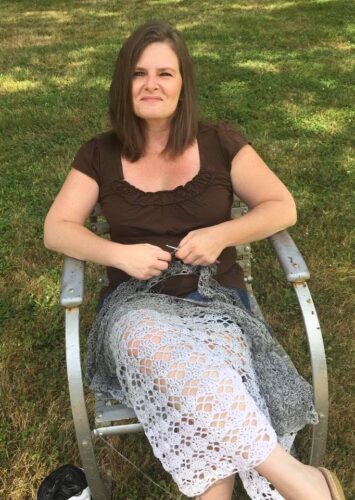
Crocheting

Jo Baird of Jo’s Crafty Hook

Although you might associate crocheting and knitting with your grandma, both have made a serious comeback – and for good reason. Studies have found that crocheting has a meditative effect on the body and mind, which makes it a great hobby for people with anxiety and ADHD. It has even been shown to engage the mind in ways that help to stave off cognitive decline.

If you want to get into crocheting, check out Jo’s Crafty Hook for tips and tricks!

Gardening

https://www.allaboutgardening.com/gardening-with-kids/

It’s reported that 35% of American families now grow their own fruit and vegetables at home. It’s not difficult, and it’s a great way to get some fresh air and save money.

The internet is awash with tutorials on growing your own produce, and thousands of books are available on the subject. You can even do your bit for the environment by starting an organic garden to enjoy fresh, healthy, and environmentally friendly produce.

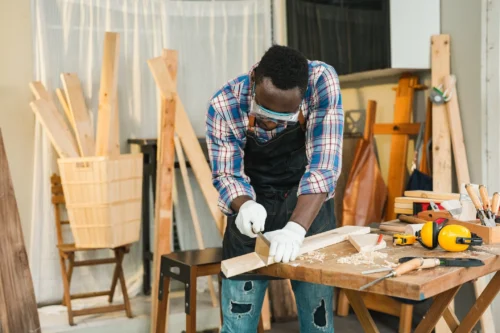
Woodworking

JACKYENJOYPHOTOGRAPHY/GETTY IMAGES

Though it is by no means a cheap hobby, learning the craft of woodworking can be very rewarding. There are some fundamental skills and tools you’ll need to become familiar with when starting out, and it’s wise to save money on raw materials when you’re early in your craft. As you gain experience, you can create projects for yourself or for gifting, and you can even turn it into a business.

Painting

Image from stock.adobe.com

He was one of the most influential artists of the modern era, but did you know Vincent Van Gough was almost entirely self-taught? Besides the joy of seeing your finished work, learning to paint can also promote stress relief and cultivate emotional growth.

To learn the art of painting, you can sign up for one of the many online courses available, or take a look at some of the painting tutorials on websites such as YouTube. One of the most accessible paints to work with is acrylics, making it a great starting point for beginners.

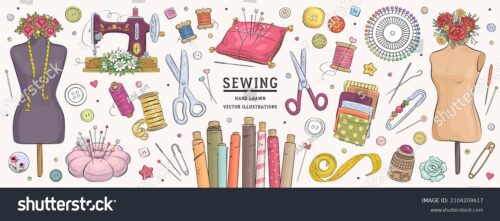
Sewing

https://www.shutterstock.com/search/sewing


Receiving a meticulously and patiently constructed gift from a loved one warms your heart in a way shop-bought offerings can never quite achieve. By learning to sew, you too can make gifts for special ones in your life. Hand-sewn coaster covers, DIY faux-leather handbags, and patchwork bags are just some of the things you can make with a needle and thread. If you prefer a self-taught, learn-at-your-own-pace method, look at some free learn-to-sew tutorials online.

Playing an Instrument

https://www.shutterstock.com/search/musical-instruments

It’s never too late to learn a new instrument. Besides being fun, it’s likely to expand your social circle and flex your creative muscles. Play for fun, entertain your family and friends, or join a band and earn some money from your talents.

Go Back to School to Turn a Passion into a Career

https://depositphotos.com/photos/adult-learning.html

If you find something that you love to do and that you’re especially good at, consider making it your career. For instance, perhaps you love working with kids and you’ve started teaching a few piano lessons or painting classes to kids on the side. You could go back to school for a bachelor’s degree in education so that you could formally teach kids full time. Plus, going to school online offers you flexibility and ends up streamlining, well, everything you need to complete for your degree. Look into online courses that fit your career goals and get started!

Creating a Business Around Your Hobby

You can eventually go one step further and create a business around your hobby. One of the easiest and least stressful ways of doing this is to establish an LLC. You benefit from limited liability and a lot less paperwork, not to mention the tax benefits you gain. Before you start, check regulations on creating such a company as they can differ from state to state. You can also avoid all the legwork and hefty lawyer fees by using a formation service to register your LLC.

Find Your New Favorite Pastime

You can take up a new hobby to fill time and have fun or take it further and create a business around it. It doesn’t matter because learning a new skill can provide a seemingly endless list of benefits, whatever you choose.

I hope you found this article from Abby Holt helpful.  Find out more from Craftability, whether you are looking for a new hobby; or are looking to find some relief from work or you are just looking for something to enjoy.

Abby says:

Craftability is not a business, it is an extension of myself. I created Craftability to inspire people to put their crafting abilities to good use, whether it’s painting, jewelry-making, quilting, or calligraphy. Feel free to check out my website.

Loading

Transforming Your Passion into a Profitable Business

Virginia Cooper of Learn a Living has brought you another great article with helpful tips for Transforming Your Passion into a Profitable Business.

Are you looking to turn your love of crochet in a profitable business like I am?  Are you trying to turn your hobby into a profitable business?

Well, if you are or you have thought about it, read the informative article from Virginia below.

This post contains affiliate links.  If you make a purchase using these links I may receive compensation (at no added cost to you.)

While you are there be sure to sign up for my Newsletter by clicking on the Subscribe Button in the top right hand corner.  You will receive news about my New Crochet Pattern Releases, Collaborations, and MORE!  For signing up you will also get a FREE crochet pattern!

Transforming Your Passion Into a Profitable Business

Owning your own business can be a rewarding endeavor, but it can also be a lot of hard work. The good news is that turning your hobby into a business is an achievable goal if you take the right steps. Today, Jo’s Crafty Hook will discuss how to get started and some of the finer points of turning your hobby into a profitable business.

Business as a Part-Time Pursuit

Turning your hobby into a full-time business takes time, effort, and capital. Before you make such an investment, start small by launching your business as a side hustle. This involves setting aside time from your day job to work on building your business during evenings and weekends. This allows you to test out different aspects of running a company without committing too much upfront money or time.

Defining Your Business Strategy

Creating an effective business plan is key for any entrepreneur. It helps define goals for the company, establish strategies for achieving them, and provide benchmarks for measuring progress along the way. Writing up a comprehensive plan also gives potential investors an idea of what to expect from the venture before deciding whether or not they want to invest in it financially.

Crafting an Effective Advertising Plan

After finalizing your business plan, it is crucial to formulate a powerful marketing plan that can attract potential customers. A well-crafted marketing approach can help you identify which target market to focus on and how to generate the most substantial Return on Investment (ROI). Leverage modern digital marketing tactics to optimize your reach, increase visibility and engagement, and drive sales.

Creating a Digital Footprint for Your Business

In today’s digital landscape, an established online presence is a critical aspect of any successful business or entrepreneurship. Building a professional website and social media profiles, such as LinkedIn, can help potential clients get an accurate sense of your brand identity and offerings. Ensure that all important information about your business and product or service is readily available online to foster greater brand awareness and customer trust in your brand.

Sourcing Capital for Your Business

Securing sufficient capital is crucial for financing your business operations until profitability can be attained through your offerings. Depending on the nature of your venture, various funding options may be available. For instance, crowdfunding campaigns on platforms like Indiegogo and Kickstarter provide a means for entrepreneurs to reach out to potential customers who want to support their project financially in return for exclusive perks and access.

Doing Business Online

To cultivate a loyal customer base, it’s essential to make purchasing products or services online as seamless and secure as possible. By utilizing a robust ecommerce platform, businesses can offer secure payment processing solutions that alleviate customer security concerns. If you’re thinking about investing in reliable commerce solutions, this may help not only yield greater sales but also help to foster a sense of trust between the business and its customers, which is invaluable for long-term success.

It’s vital for aspiring entrepreneurs who are turning their passions into profitable businesses to take the necessary steps and precautions to ensure their dreams are realized. With proper planning and preparation, the journey of becoming a successful business owner can be a rewarding and fulfilling experience. By following the steps and recommendations outlined above, aspiring entrepreneurs can set themselves up for success and make their dream a reality. With hard work, perseverance, and a bit of luck, anyone can turn their hobby into a thriving business with the right tools and resources.

For handmade crocheted creations, visit Jo’s Crafty Hook today! If you’d like to place a custom order, please email j.o@joscraftyhook.com.

You can find out more Helpful Tips from Virginia here on my website.  You can also find out more about Virginia Cooper at Learn a Living

You can also find out more helpful tips from about learning a trade, going back to school and finishing your education.  You can find resources on how to do these things as well at Learn a Living.

Image via Pexels

While you are there be sure to sign up for my Newsletter by clicking on the Subscribe Button in the top right hand corner.  You will receive news about my New Crochet Pattern Releases, Collaborations, and MORE!  For signing up you will also get a FREE crochet pattern!

Find me, Jo of Jo’s Crafty Hook at the places listed below.

Email:  j.o@joscraftyhook.com

Website

Facebook Group Jo’s Crafty Hookers

Facebook Group Jo’s Crafty Hook Designs

Facebook Page Jo’s Crafty Hook

Facebook Page:  Crochet Designer Community

Ravelry

LoveCrafts

Etsy

Instagram

YouTube

Pinterest

Donations Accepted

The Best Gift Guide for Creative Souls

My friend Virginia Cooper is sharing with us another helpful article about the Best Gift Guide for Creative Souls.

So many times we find ourselves racking our brains trying to find that perfect gift for our family and friends.  Sometimes when you receive that unexpected gift that they have made themselves you are in awe or so surprised at their creativity.

So, in today’s article Virginia will be sharing with us some helpful tips on what you can get for your creative family and friends when you are stumped as to what to get.


The Best Gift Guide for Creative Souls

Searching for the perfect year-round gifts for creative friends and family members?  This can be a tricky feat to pull off. If you’re not sure what to get, Jo’s Crafty Hook has some great free crochet patterns on her website inspiring your loved ones’ souls.  


Arts and crafts

Shopping for someone who likes drawing, painting and papercrafts?  We found some real gems to get the creative juices flowing:

Crochet patterns. If the artistic soul in your life loves to crochet, you can pick up some digital patterns from Jo’s Crafty Hook that can help them put together some truly memorable creations.

  • Grownup coloring book.  Intricate, inspiring, and meditative, adult coloring books offer a sort of therapeutic creative outlet.  
  • Brushes? Markers? Both!  These marvelous tools allow artistic creations either in full-color drawings or calligraphic styles.  
  • Goodies subscription.  What artist wouldn’t want an assortment of tools to play with?  Even better, engage a subscription service for a new set of goodies to arrive every month.  Try giving a curated selection from ScrawlrBox.
  • Something sketchy.  Anyone who loves to draw needs a good sketchpad.  To help record, develop and execute ideas, try the Cass Art Mixed Media Pad. It’s spiral-bound and acid-free for serious sketching. Available from CassArt.co.  


Sew easy

For those who express themselves with fabric and thread, we spotted some spectacular ideas from The Seasoned Homemaker:

  • Measure up.  Anyone who sews needs quilting and sewing rulers.  Look for transparent guides and a grippy surface to assist the sewist when using a rotary cutter.  Try the Omnigrip Non-Slip Quilter’s Ruler from CottonPatch.Co.UK.  
  • Pinnable blooms.  Sewers always need pins, but why settle for ordinary pins when you can opt for ones that blossom?  Flower heads make pins easy to find, are heat tolerant and lie flat under your ruler.  Adorable Collins Flat Flower Assorted Pins come in sets of fifty or one hundred from QuiltRoom.Co.UK.  
  • Magnetic attraction.  Losing track of pins can be frustrating, especially one ends up with them in your finger or foot.  Help the sewist on your shopping list keep track with a magnetic pin cushion.  The Zirkel Magnetic Pin Organizer holds pins in a chamber and naturally fans them for selection.  Available from Craftsy.com.  
  • Fabric.  Of course, no shopping list for a sewist is complete without a reminder to include some fabric!  Reach out to your local retailer to explore colors and textures in person.


Tech-savvy types

For the giftees on your list who enjoy computerized creativity, try these fun options:

  • Modern projector.  Nostalgically designed to remind us of the slide projectors of yesteryear, the ViewSonic M1 Plus allows users to share their photos and videos on a screen or blank wall.  It’s a nifty way to share digital imagery with family and friends.  Available from Amazon.com.  
  • 3D Printer.  A desktop-sized 3D printer allows users to take printing to a whole new level. Monoprice Select Mini V2 is a great option for 3D printing beginners. Available from Amazon.com.  


Other Great Gifts

Whether you want to amp things up a bit or go for something completely out of the box, consider one of these ideas:

  • Create an art studio. Why not go above and beyond by helping them turn a room in their home into an art studio? You can help them clean out space, paint the walls, refinish the floors and add new light fixtures. Not only will this give them a bright, airy space for their medium, but it could even make a difference in their home’s value. 
  • Luxury easel. If your loved one’s easel is a little worse for wear, consider giving them a new, beechwood easel like the Mabef M02 Studio Easel – Double Pole with Crank. This is a great model for large canvases, and you can find it at ArtSupplies.co.

With these diverse options, you are bound to find a great gift for your creative loved ones, whether the medium is fabric-related, paper-oriented, computer-generated or even something local.  Not only will you find something for your loved ones that screams creativity, but you’ll also show your appreciation for how unique they are. Have fun shopping!

Jo’s Crafty Hook is your source for handmade crocheted creations. Check out our free online patterns today!

I hope you find Virginia’s article helpful.  There are so many great tips here for those perfect gift ideas for those creative souls in your life.

You can find out more about what Virginia Cooper and what she does.  On her website you will find more helpful tips about balancing work, life and school.  Also 10 Work – Life books balance books to read.

Visit Virginia Cooper on her website Learn-A-Living.  You can also email me if you would like to see any more helpful tips from me or from Virginia.  j.o@joscraftyhook.com

********************************************************

You can also check out some of my Premium, Ad-Free Crochet Patterns at my stores listed below.

Ravelry
Lovecraft
Etsy


Find me, Jo of Jo’s Crafty Hook at the places listed below.

Email:  j.o@joscraftyhook.com
Website
Ravelry
Instagram
LoveCrafts
Etsy Shop
Facebook Group Jo’s Crafty Hookers
Facebook Page Jo’s Crafty Hook
Facebook Page Jo’s Crafty Hook Designs
Facebook Page Crochet Designer Community
Pinterest
Twitter
YouTube
 Donations Accepted